Do you generate AI characters that stay consistent across images and videos?
Loading last updated info...
You generate a great AI image for marketing, then the next one looks like a distant cousin of the original. Different face, different colors, different vibe. This inconsistency confuses users and weakens brand recognition, especially when you’re trying to build a recognizable character like a mascot or product hero.
Why consistency matters
A consistent AI-generated character:
- Builds brand recognition and trust
- Feels intentional and professional
- Can be reused across marketing, product demos, and social media
- Saves time by avoiding repeated trial-and-error
If users can’t immediately recognize your character, the AI has failed the brand. Not the other way around.
Start with a single “source of truth” image
Always begin with one approved base image of the character.
Use this same static image as the reference for:
- Image generation
- Video generation
- Animation tools (e.g. Sora, Veo)
Store it in a shared, versioned location (e.g. design assets folder).
A single high-quality Yak image is used as the reference input for multiple tools (Sora and Gemini Veo) to generate different animations while preserving the same look.
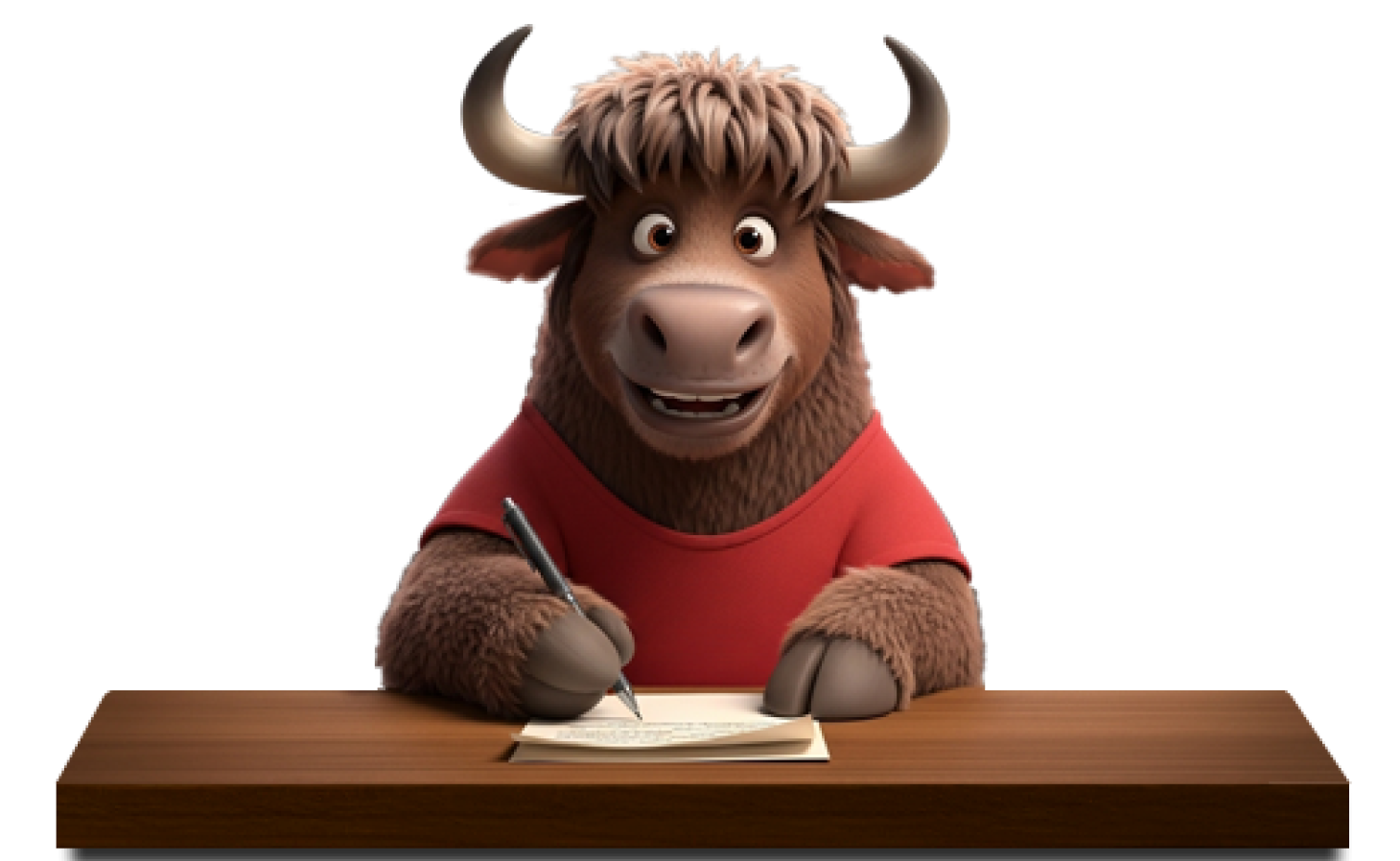
✅ Figure: Good example - One base image used consistently across multiple AI tools
Be explicit in your prompts
AI models will improvise unless you clearly tell them not to.
Include:
- Physical traits (species, colors, proportions)
- Clothing or accessories (or explicitly say “no clothing”)
- Mood, personality or expressions
- Camera framing and lighting
- Instruction to preserve the original character design
"Use the provided image as the exact character reference. Do not change colors, facial features, proportions, or style. Animate the Yak standing and covering his eyes with his hooves."
✅ Figure: Good example - Explicitly instructing the model to preserve the original character
Reuse the same reference across tools
While it is better to use the same AI tool for character consistency, different AI tools can still produce consistent results if you:
- Use the same base image
- Reuse or lightly adapt the same prompt
- Avoid letting the tool “reimagine” the character
This allows teams to mix tools (e.g. Sora and Gemini) without visual drift.
Document the process
If one person can do it, others should be able to repeat it.
Document:
- The base image used
- The exact prompts
- The tool and model (e.g. Sora, Gemini Veo)
- Any settings or options selected
- Known limitations or gotchas
Base Image: yak-base-v1.png
Tool: Gemini Veo
Prompt: "Use the provided image as the exact character reference. Do not change colors, facial features, proportions, or style. Make a video of this Yak standing up and covering his eyes with his hooves."
Notes: Watch out for hooves turning into hands.
✅ Figure: Good example - A documented, repeatable workflow
Use approvals for brand assets
Before publishing AI-generated characters:
- Get sign-off from design/brand owners
- Confirm colors match official brand assets
- Check motion quality with your video team (no choppy or awkward transitions)
Once approved, lock the base image and treat changes as a new version.
Summary
To keep AI-generated characters consistent:
- Start with one approved base image
- Be explicit in prompts about preserving design
- Reuse the same reference across tools
- Document the workflow so others can repeat it
- Treat AI characters as brand assets, not experiments